Exploring the Historic Zoar Village
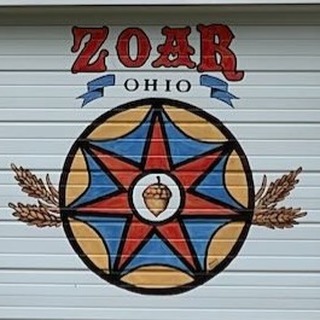
The other day we went to the Historic Zoar Village (pron. like soar/oar/boar with a z at the front). Zoar, OH was founded in 1817 by a group of religious refugees from Germany. Biblically, Zoar was one of 5 cities of the plain slated for destruction in the book of Genesis. The other 4 cities were Sodom, Gomorrah, Zeboim, and Admah. Lot plead to God to keep Zoar as a place of refuge for Lot and his two daughters. It’s easy to see why Zoar, OH received this name.
The people of Zoar built a very prosperous communal settlement where “jobs” were done based on the needs of the community. Everyone chipped in to make sure the community’s needs were met. The community is the longest communal settlement (to be in one place) in the United States, lasting just over 80 years. Amazingly, the community lasted through the American Civil War, despite the array of opinions the townspeople held regarding their participation in the war. It is said that the community failed only because of the ever-increasing influence of the “outside world” brought about by rail transportation.
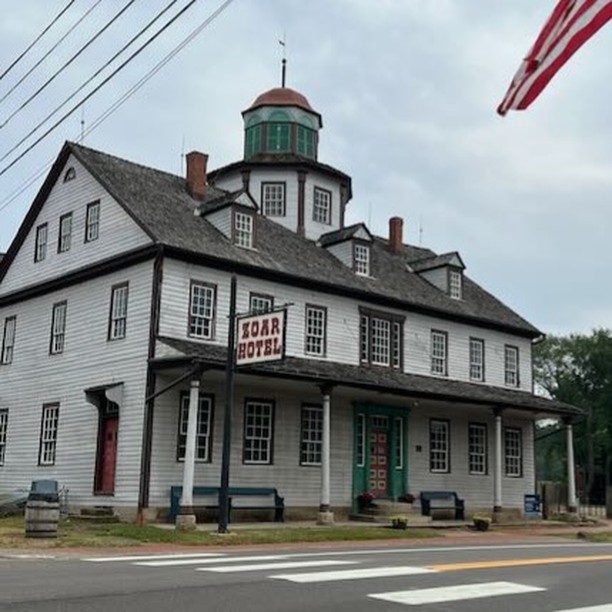
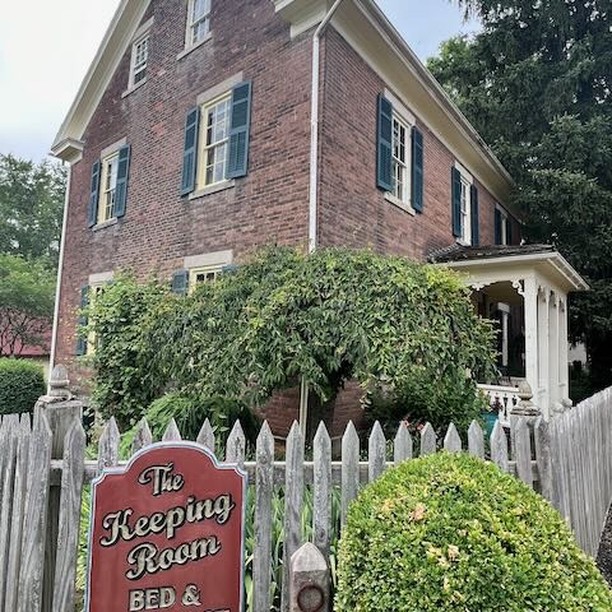
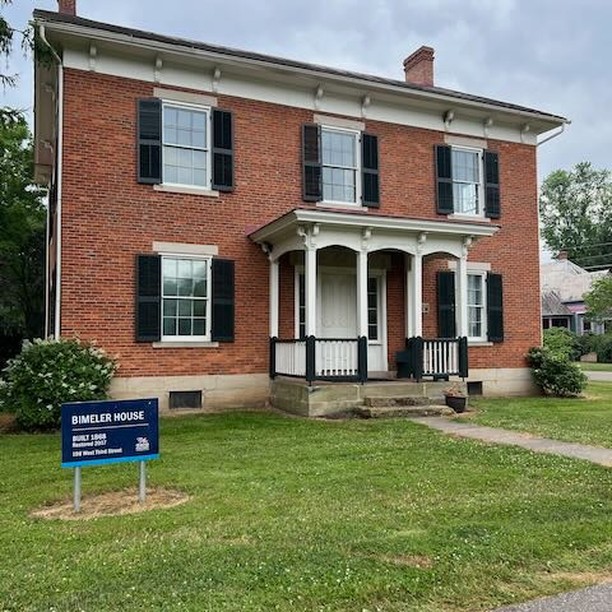
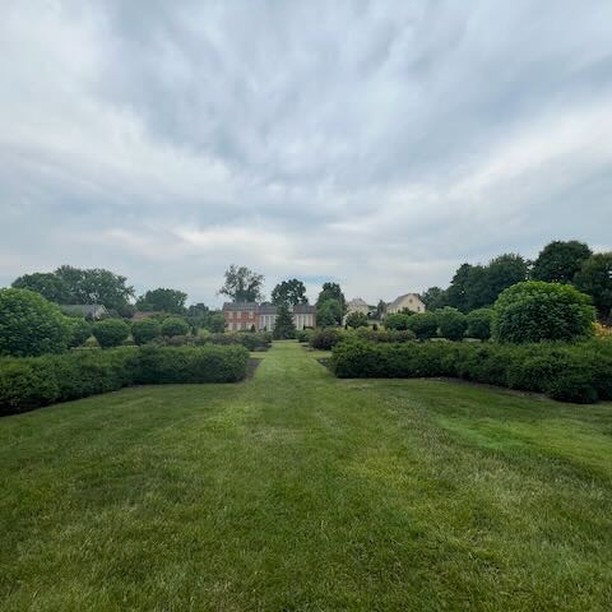
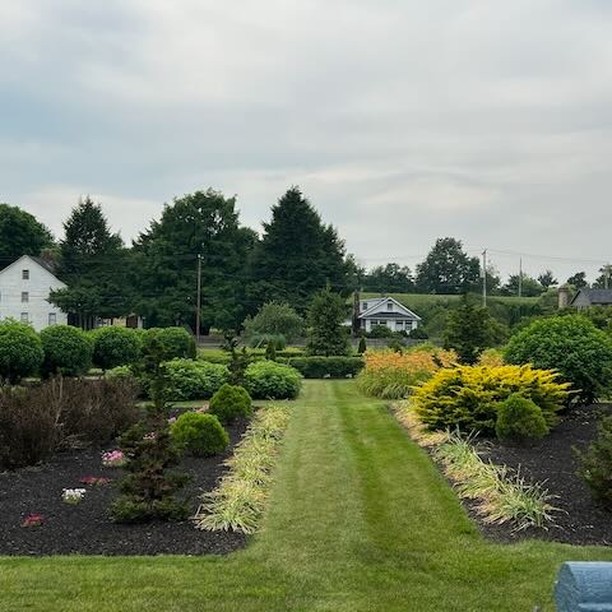
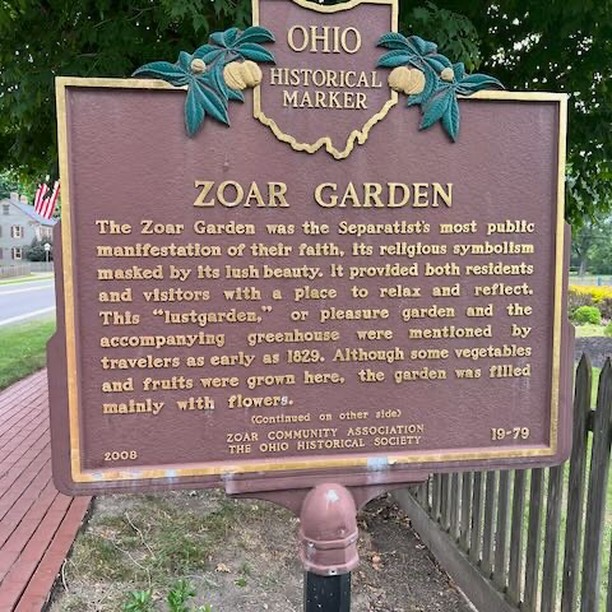
The current townspeople in Zoar have worked tirelessly to preserve the history of the small communal settlement in the preservation of buildings and the community garden. Several of the buildings are on the US National Register of Historic Places and even a self-guided tour through the town is amazing.
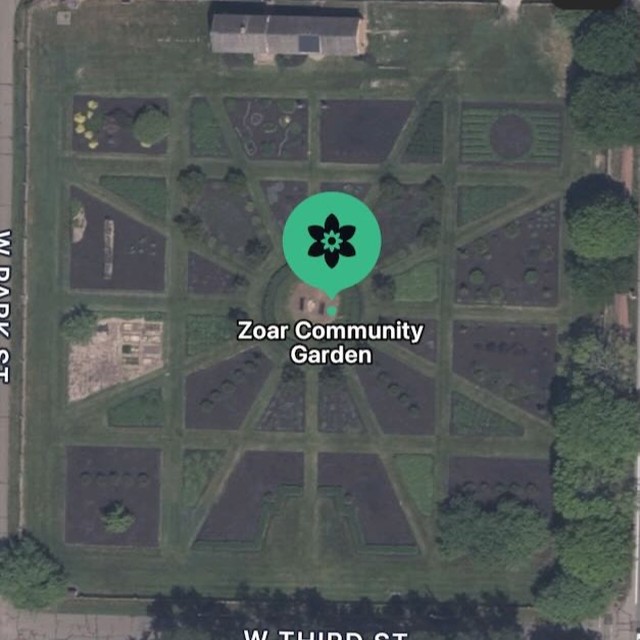
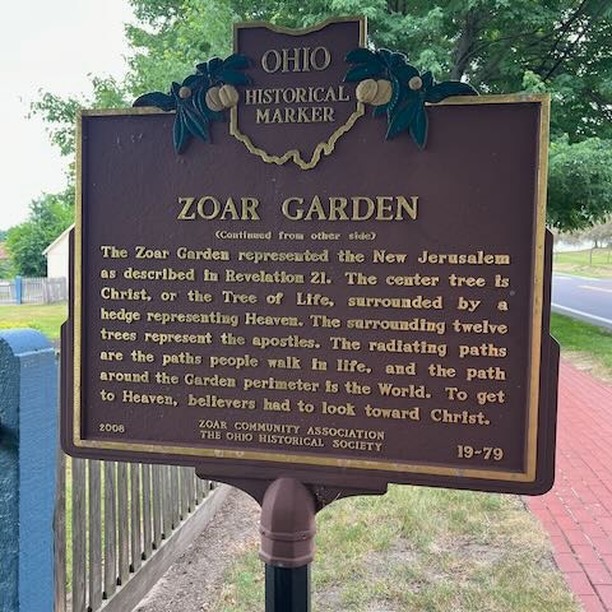
The village garden is amazing and I (Kate) could spend hours in it. At the center of the garden is a tree that is surrounded by hedge. The center tree represents Christ as the Tree of life and the hedge represents heaven. Around that are twelve smaller trees representing the twelve apostles. The paths in the garden represent each person’s life path and the outside loop represents the world. The theme of the garden is that to reach heaven, you must look toward Christ.
While the village was mostly closed during our visit (we were there on a federal holiday), we had a nice afternoon walking around the town and looking at the preservation of our nation’s history.